
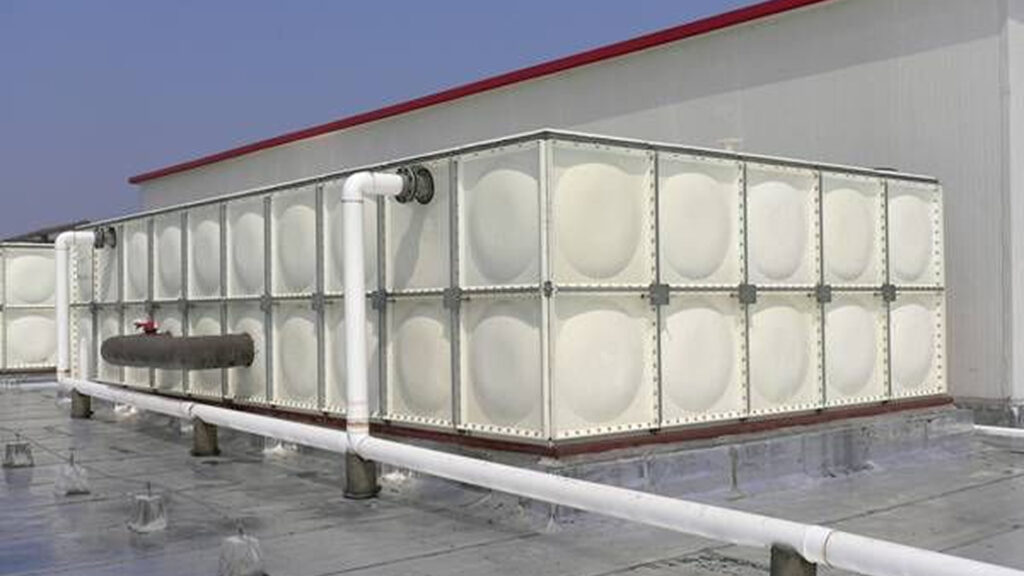
When investing in industrial storage solutions, one of the most common questions businesses ask is, “How long do FRP storage tanks last?” Whether used for water storage, chemical storage, wastewater treatment, or industrial applications, an FRP storage tank is designed to provide reliable performance for many years.
Compared to traditional steel and concrete tanks, fiberglass-reinforced plastic (FRP) tanks are known for their excellent durability, corrosion resistance, and low maintenance requirements. With proper installation and regular inspections, an FRP storage tank can deliver decades of dependable service, making it a cost-effective solution for industries and commercial facilities.
Understanding FRP Storage Tanks
An FRP storage tank is manufactured using fiberglass-reinforced plastic materials that provide high strength while remaining lightweight. These tanks are widely used for storing water, chemicals, fuels, and various industrial liquids.
Unlike metal tanks, an FRP storage tank does not rust or corrode easily, which significantly increases its service life. This is one of the primary reasons industries worldwide are switching to fiberglass storage solutions.
Average Lifespan of an FRP Storage Tank
A well-designed and properly maintained FRP storage tank can last anywhere from 20 to 40 years or even longer, depending on operating conditions and the type of materials stored inside.
Several factors influence the longevity of an FRP storage tank, including:
- Quality of manufacturing
- Type of resin used
- Storage application
- Environmental conditions
- Installation quality
- Routine maintenance practices
By following recommended inspection and maintenance procedures, businesses can maximize the lifespan of their FRP storage tank and avoid costly replacements.
Why Do FRP Storage Tanks Last So Long?
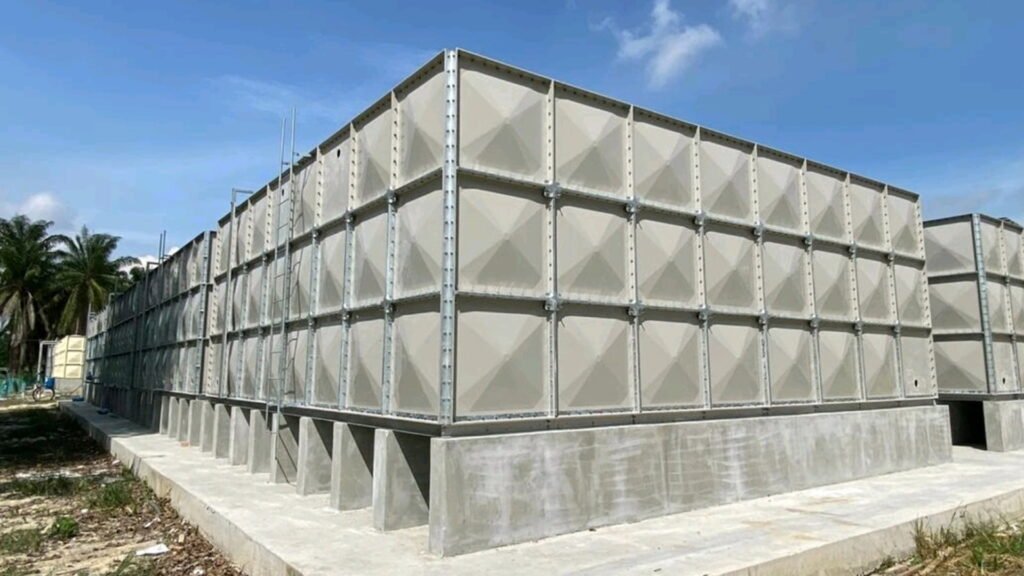
Excellent Corrosion Resistance
One of the biggest advantages of an FRP storage tank is its resistance to corrosion. Steel tanks are susceptible to rust and chemical damage over time, especially in harsh environments. Fiberglass tanks, however, are designed to withstand moisture, chemicals, and extreme weather conditions.
This corrosion resistance allows an FRP storage tank to maintain its structural integrity for many years.
High Strength and Durability
Fiberglass materials provide exceptional mechanical strength. A quality FRP storage tank can withstand internal pressure, heavy loads, and challenging industrial conditions without significant wear.
Because of their strength, FRP tanks are widely used in chemical plants, water treatment facilities, oil and gas industries, and manufacturing units.
Resistance to Harsh Weather
Saudi Arabia and many other regions experience extreme temperatures and harsh environmental conditions. An FRP storage tank is specifically designed to handle UV exposure and temperature fluctuations, making it suitable for outdoor applications.
Unlike metal tanks that may deteriorate due to weather conditions, fiberglass tanks offer long-lasting performance.
Factors That Affect the Lifespan of an FRP Storage Tank
Quality of Manufacturing
Not all tanks are created equally. A high-quality FRP storage tank manufactured using premium fiberglass and resin systems will generally last much longer than lower-grade alternatives.
Working with an experienced manufacturer ensures superior quality and long-term reliability.
Type of Stored Material
Different liquids have different chemical properties. Water storage applications usually place less stress on the tank, while highly corrosive chemicals require specialized resin systems to maintain the life of the FRP storage tank.
Choosing the right material and design is essential for long-lasting performance.
Proper Installation
Correct installation plays a major role in extending the service life of an FRP storage tank. Improper foundations, unsupported piping, or incorrect handling during installation can reduce the tank’s lifespan.
Professional installation ensures maximum efficiency and structural stability.
Regular Maintenance
Although an FRP storage tank requires very little maintenance compared to steel tanks, periodic inspections are recommended. Maintenance helps identify minor issues before they develop into serious problems.
Routine inspections should include:
- Visual surface checks
- Inspection of nozzles and fittings
- Cleaning schedules
- Structural evaluations
- Leak detection
These simple practices can significantly increase the life expectancy of an FRP storage tank.
Applications of FRP Storage Tanks
The long lifespan of an FRP storage tank makes it suitable for a wide range of industries.
Water Storage
FRP tanks are commonly used for:
- Residential buildings
- Commercial complexes
- Hotels
- Hospitals
- Industrial facilities
Chemical Storage
Chemical industries depend on an FRP storage tank because of its ability to resist corrosion and safely contain aggressive substances.
Wastewater Treatment
Wastewater treatment plants rely on fiberglass tanks for their durability and low maintenance requirements.
Oil and Gas Industry
Fuel and process liquid storage applications often require tanks that can withstand harsh operating conditions. An FRP storage tank provides excellent reliability for these demanding environments.
FRP Storage Tank vs Steel Tank Lifespan
When comparing tank materials, fiberglass tanks offer significant advantages.
| Feature | FRP Storage Tank | Steel Tank |
| Corrosion Resistance | Excellent | Moderate |
| Maintenance | Low | High |
| Lifespan | 20-40+ Years | 10-20 Years |
| Weight | Lightweight | Heavy |
| Operating Costs | Lower | Higher |
Because of these advantages, many industries are replacing conventional steel tanks with modern fiberglass alternatives.
How to Maximize the Life of an FRP Storage Tank
To get the most from your investment:
- Choose a reputable manufacturer.
- Select the right resin system.
- Ensure proper installation.
- Perform regular inspections.
- Avoid overloading the tank.
- Follow recommended maintenance guidelines.
- Replace damaged fittings promptly.
These practices help extend the life of your FRP storage tank and reduce long-term operating costs.
Conclusion
An FRP storage tank is one of the most durable and cost-effective storage solutions available today. With a typical lifespan of 20 to 40 years or more, these tanks offer outstanding corrosion resistance, minimal maintenance requirements, and excellent structural strength.
Whether used for water storage, chemical storage, wastewater treatment, or industrial applications, investing in a high-quality FRP storage tank ensures reliable performance and long-term value. By choosing the right manufacturer and following proper maintenance practices, businesses can maximize the lifespan of their fiberglass storage systems and enjoy decades of dependable service.
Looking for durable FRP storage tanks in Saudi Arabia? Contact ASBAO Fiberglass for custom-engineered storage solutions designed for long-lasting performance and industrial reliability.
Get in Touch Today
📞 Phone
+966 53 833 6912
+966 56 605 5170
📧 Email
info@asbaofiberglass.com
🌐 Website
www.asbaofiberglass.com