
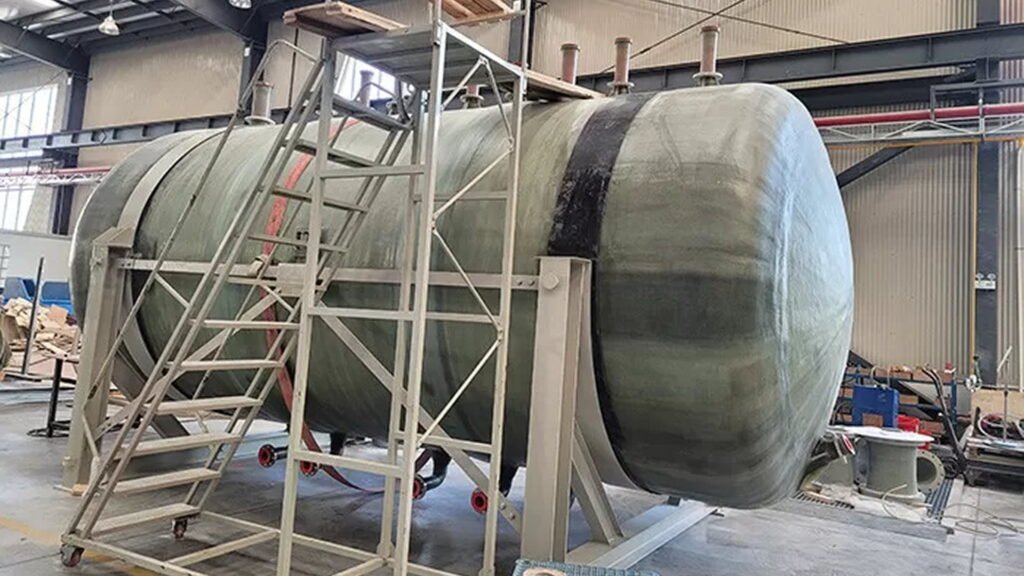
Proper FRP storage tank installation is essential for ensuring long-term performance, safety, and durability. Whether the tank is used for water storage, chemical storage, wastewater treatment, or industrial applications, following the correct installation procedure helps maximize the lifespan of the tank and minimizes maintenance costs.
FRP (Fiberglass Reinforced Plastic) tanks are widely preferred because of their corrosion resistance, lightweight design, and excellent strength. However, even the highest-quality tank requires proper installation to achieve optimal performance.
In this guide, we’ll explain the complete FRP storage tank installation process and provide essential tips to ensure safe and efficient operation.
Why Proper FRP Storage Tank Installation Matters
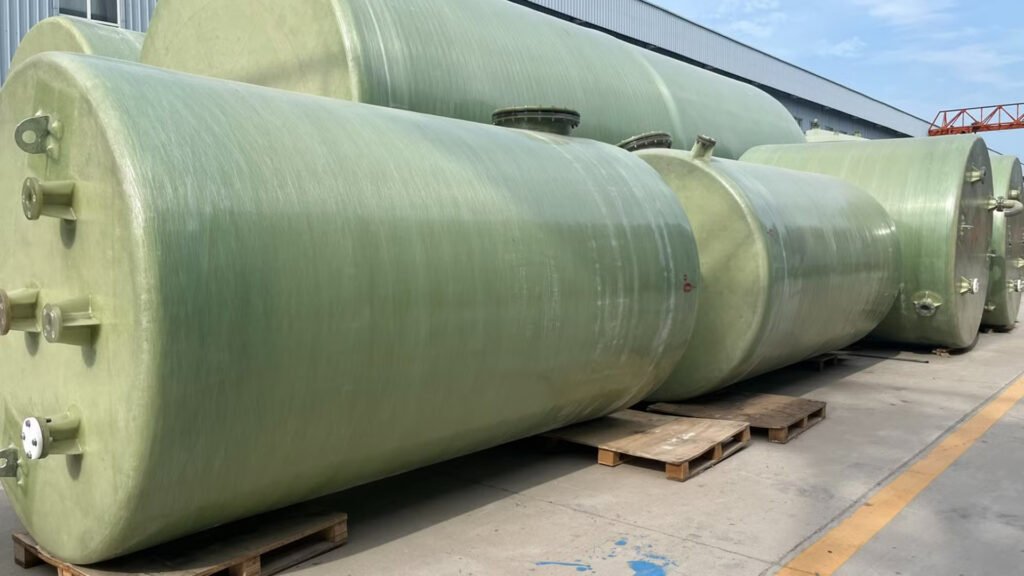
A correctly executed FRP storage tank installation provides several benefits, including:
- Increased service life
- Reduced maintenance costs
- Enhanced operational safety
- Improved structural stability
- Better performance under demanding conditions
- Prevention of leaks and structural damage
Improper installation can lead to unnecessary stress on the tank, pipe failures, and costly repairs.
Step 1: Prepare the Installation Site
The first stage of FRP storage tank installation is preparing the site properly.
Before installation, ensure:
- The location is easily accessible.
- Adequate space is available for maintenance.
- There are no overhead obstructions.
- Proper drainage is provided.
- Environmental conditions are suitable for the application.
Site preparation is critical for achieving long-term stability and reliability.
Step 2: Construct a Strong Foundation
A solid foundation is one of the most important aspects of FRP storage tank installation.
The foundation should:
- Be level and smooth.
- Support the full operating weight of the tank.
- Be free from sharp objects.
- Distribute loads evenly.
Concrete foundations are commonly used because they provide excellent support and stability. Uneven surfaces can create stress points that may affect tank performance.
Step 3: Handle the Tank Carefully
During FRP storage tank installation, proper handling is extremely important.
Best practices include:
- Use appropriate lifting equipment.
- Lift only from designated lifting points.
- Avoid dragging the tank.
- Prevent impact with hard surfaces.
- Follow manufacturer recommendations.
Fiberglass tanks are lightweight but should always be handled with care to avoid damage.
Step 4: Position the Tank Properly
Once the foundation is ready, the tank should be carefully placed into position.
Ensure:
- The tank sits evenly on the foundation.
- Vertical tanks are perfectly upright.
- Horizontal tanks are properly supported.
- Adequate clearance is maintained around the tank.
Correct positioning improves overall safety and simplifies future inspections and maintenance.
Step 5: Install Pipe Connections
Piping systems play an important role in successful FRP storage tank installation.
While connecting pipes:
- Ensure alignment with nozzles.
- Avoid excessive stress on fittings.
- Use flexible connectors when necessary.
- Support external piping independently.
- Verify gasket compatibility.
Unsupported pipes can transfer excessive loads to the tank and may cause structural damage over time.
Step 6: Install Accessories and Components
Many applications require additional components during FRP storage tank installation, such as:
- Manholes
- Ladders
- Platforms
- Level indicators
- Vent systems
- Overflow lines
- Safety valves
Installing these accessories correctly improves operational efficiency and user safety.
Step 7: Perform Initial Inspection
Before filling the tank, conduct a thorough inspection.
Check:
- Tank alignment
- Foundation condition
- Piping connections
- Bolts and fittings
- Accessory installation
- Surface condition
This inspection ensures that the FRP storage tank installation has been completed properly.
Step 8: Conduct Leak Testing
Leak testing is an essential part of the FRP storage tank installation process.
Testing helps identify:
- Connection leaks
- Improper fittings
- Seal issues
- Structural concerns
Any problems should be corrected before the tank enters full operation.
Step 9: Fill the Tank Gradually
When commissioning the tank:
- Fill slowly.
- Monitor all connections.
- Observe tank stability.
- Check for leaks or unusual movement.
Gradual filling allows operators to verify the success of the FRP storage tank installation and avoid sudden pressure changes.
Common Mistakes to Avoid During FRP Storage Tank Installation
Avoiding these mistakes can significantly extend the life of your tank:
Poor Foundation Preparation
An uneven base can create stress and reduce structural integrity.
Unsupported Piping
Heavy pipelines should never transfer loads directly to the tank nozzles.
Improper Lifting
Dragging or mishandling the tank can damage fiberglass surfaces.
Lack of Inspection
Skipping inspections increases the risk of future problems.
Ignoring Manufacturer Recommendations
Every application has unique requirements. Following installation guidelines ensures safe and reliable operation.
Maintenance After FRP Storage Tank Installation
After successful FRP storage tank installation, regular maintenance helps maximize tank life.
Recommended maintenance includes:
- Visual inspections
- Cleaning schedules
- Leak monitoring
- Inspection of fittings and valves
- Structural evaluations
Routine maintenance helps maintain the performance and reliability of the tank for decades.
Benefits of Professional FRP Storage Tank Installation
Professional installation offers several advantages:
- Longer tank life
- Improved safety
- Reduced maintenance expenses
- Better operational efficiency
- Lower risk of damage
- Compliance with industry standards
Working with experienced specialists ensures that your investment delivers maximum value.
Conclusion
Proper FRP storage tank installation is essential for achieving long-term performance and reliability. From site preparation and foundation design to piping connections and leak testing, every stage plays an important role in ensuring safe operation.
A professionally installed FRP storage tank can provide decades of dependable service while offering exceptional corrosion resistance and low maintenance costs. Whether used for water storage, chemical storage, or industrial applications, following the correct installation process helps protect your investment and ensures optimal performance.
Contact ASBAO Fiberglass
Looking for reliable FRP storage tank installation services in Saudi Arabia?
ASBAO Fiberglass specializes in manufacturing and installing high-quality FRP storage tanks for industrial, commercial, and municipal applications.
📞 Phone
+966 53 833 6912
+966 56 605 5170
📧 Email
info@asbaofiberglass.com
🌐 Website
www.asbaofiberglass.com