
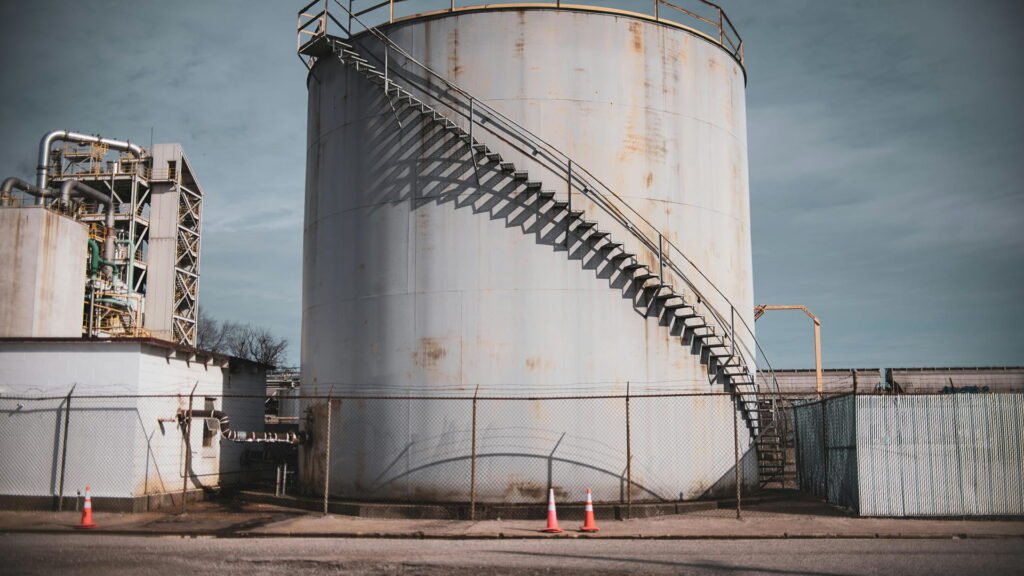
If you’ve spent any time around construction sites, industrial zones, or even large commercial buildings in Saudi Arabia, you’ve probably noticed big storage tanks quietly doing their job in the background. Many of those are FRP tanks.
They may not look flashy, but they play a huge role in water storage, chemical handling, and industrial operations. So what exactly is an FRP tank, and why is it becoming the go-to choice across Saudi Arabia?
What is an FRP Tank?
An FRP tank (Fiber Reinforced Plastic tank) is a storage tank made by combining fiberglass with a special resin. This combination creates a material that is both strong and lightweight.
To put it simply, FRP tanks are designed to solve the problems that traditional tanks face. Steel tanks can rust. Plastic tanks can weaken over time. FRP sits comfortably in the middle, offering durability without the usual drawbacks.
Because of this, FRP tanks are now widely used in industries, commercial projects, and even residential setups.
Why FRP Tanks Are Widely Used in Saudi Arabia
Saudi Arabia’s environment is not exactly gentle. High temperatures, strong sunlight, and exposure to chemicals can quickly damage ordinary storage solutions.
From real-world usage across cities like Dammam, Riyadh, and Jeddah, it’s clear why FRP tanks are preferred.
✔ Resistant to Corrosion
One of the biggest advantages is that FRP tanks do not rust. This makes them perfect for storing water, chemicals, and even wastewater without worrying about damage over time.
✔ Handles Extreme Heat
Saudi temperatures can be intense, especially during peak summer. FRP tanks are built to withstand heat without cracking or losing strength.
✔ Long Lifespan
A properly installed FRP tank can last anywhere between 20 to 30 years. That makes it a smart long-term investment.
✔ Low Maintenance
Unlike metal tanks, there’s no need for regular painting or anti-corrosion treatment. Maintenance is minimal.
✔ Lightweight and Easy to Install
Transporting and installing FRP tanks is much easier compared to heavy concrete or steel tanks. This saves both time and labor cost.
Common Uses of FRP Tanks
FRP tanks are used across multiple industries because of their versatility. Some of the most common applications include:
Water Storage
Used in residential apartments, villas, commercial buildings, and construction sites.
Chemical Storage
Industries dealing with acids or corrosive liquids prefer FRP tanks because of their resistance to chemical damage.
Sewage and Wastewater
FRP septic tanks are widely used for hygienic and leak-proof waste management systems.
Fuel Storage
Diesel and oil storage tanks made from FRP are commonly used in industrial and construction sectors.
Agriculture and Irrigation
Farmers use FRP tanks to store water for irrigation purposes, especially in areas where water management is crucial.
FRP Tank Price in Saudi Arabia (2026 Guide)
One of the most common questions people ask is about pricing. The cost of an FRP tank in Saudi Arabia can vary depending on several factors.
Here’s a general idea:
- Small tanks (500–1000 liters): SAR 500 to SAR 1,500
- Medium tanks (5000–10000 liters): SAR 3,000 to SAR 10,000
- Large industrial tanks: Starting from SAR 15,000 and above
What Affects the Price?
1. Tank Size and Capacity
Larger tanks naturally cost more due to material and manufacturing requirements.
2. Type of Usage
Water tanks are usually more affordable, while chemical and fuel tanks may require additional protective layers, increasing the cost.
3. Customization
If you need a tank with specific dimensions or special features, the price will go up.
4. Installation Type
Underground tanks or complex installations may add to the overall expense.
A quick tip — going for the cheapest option is not always the best decision. A slightly higher investment in a quality FRP tank can save you a lot on repairs and replacements later.
Why FRP Tanks Are Better Than Traditional Options
When comparing FRP tanks with traditional materials like steel or concrete, the difference becomes clear.
Steel tanks may be strong, but they are prone to rust and require maintenance. Concrete tanks are durable but heavy and difficult to install. Plastic tanks are affordable but may not handle industrial demands.
FRP tanks combine the best of all worlds — strength, durability, and ease of use — without the common disadvantages.
How to Choose the Right FRP Tank
Choosing the right tank depends on your specific needs. Before making a decision, it’s important to consider a few key factors:
- What type of liquid will you store?
- How much storage capacity do you need?
- Will the tank be installed underground or above ground?
- Are there any specific industry requirements or standards?
If you’re unsure, it’s always better to speak with an experienced supplier who can guide you based on your project.
Final Thoughts
FRP tanks have become a reliable solution for storage needs across Saudi Arabia. Their ability to handle tough environmental conditions, combined with long lifespan and low maintenance, makes them a practical choice for both businesses and individuals.
Whether you’re managing an industrial project or looking for a durable storage option, FRP tanks offer a balance of performance and cost-effectiveness that’s hard to ignore.
📞 Get a Quote Today
Looking for a high-quality FRP tank in Saudi Arabia?
Contact us today to get the best price and customized solutions for your project.
👉 Call / WhatsApp Now for Expert Guidance & Free Consultation